 Magnesium oxide_magnesium hydroxide_magnesium carbonate ผู้ผลิตกลุ่ม-Zehui

แมกนีเซียมออกไซด์ (MGO) เป็นสารเติมแต่งอเนกประสงค์ในการผลิตยางรถยนต์, โดยมีบทบาทเชื่อมโยงหลายด้านในการแปรรูปยางและการใช้ยาง. หน้าที่หลักของมันสะท้อนให้เห็นในด้านต่อไปนี้:
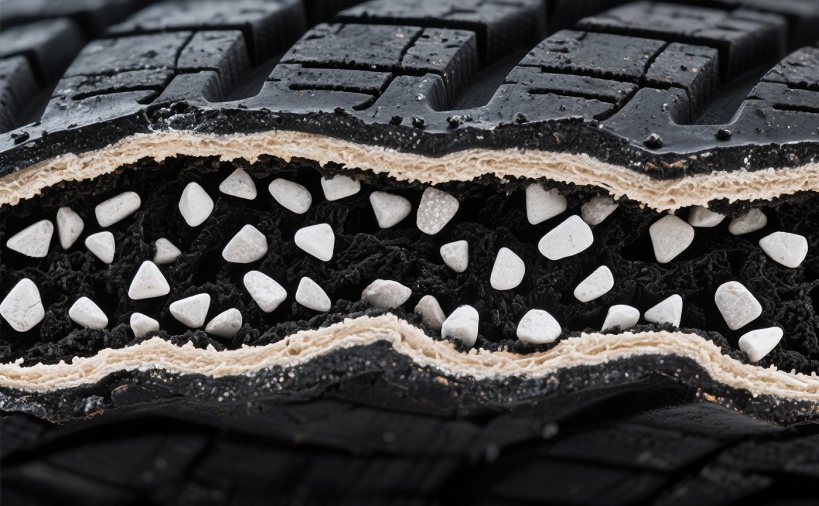
บทบาทของแมกนีเซียมออกไซด์ในยาง
1. การควบคุมปฏิกิริยาการวัลคาไนซ์และการเพิ่มประสิทธิภาพการวัลคาไนซ์
- การเปิดใช้งานและการส่งเสริมการหลอมโลหะ: แมกนีเซียมออกไซด์สามารถทำงานร่วมกับสารวัลคาไนซ์ได้ (เช่นกำมะถัน) และสารเร่งปฏิกิริยาในสูตรยางเพื่อกระตุ้นระบบวัลคาไนซ์, เร่งอัตราการเกิดปฏิกิริยาวัลคาไนซ์, ลดระยะเวลาการหลอมโลหะ, และปรับปรุงประสิทธิภาพการผลิต. ในเวลาเดียวกัน, มันสามารถเพิ่มความหนาแน่นของการเชื่อมโยงข้ามวัลคาไนซ์ได้, ทำให้โมเลกุลของยางกลายเป็นโครงสร้างเครือข่ายสามมิติที่มีเสถียรภาพมากขึ้น, จึงเป็นการเสริมความแข็งแกร่ง, ความยืดหยุ่น, และความต้านทานการสึกหรอของยางล้อ.
- ป้องกันการไหม้เกรียม: ระหว่างการผสมและขึ้นรูปยาง, แมกนีเซียมออกไซด์สามารถยับยั้งการหลอมโลหะก่อนวัยอันควร (รู้จักกันในนาม “แผดเผา”), ป้องกันไม่ให้ยางแข็งตัวล่วงหน้าเนื่องจากอุณหภูมิที่เพิ่มขึ้นในระหว่างขั้นตอนการประมวลผล. สิ่งนี้ทำให้มั่นใจได้ถึงความเสถียรในการขึ้นรูปของส่วนประกอบยางต่างๆ (เช่นดอกยาง, แก้มยาง, และชั้นสายไฟ) และลดอัตราการปฏิเสธ.
2. การทำให้สารที่เป็นกรดเป็นกลางและปกป้องประสิทธิภาพของยาง
- ยางยาง (โดยเฉพาะวัสดุอย่างยางบิวทิลและยางบิวทิลฮาโลเจนที่ใช้ในยางในหรือไลเนอร์ด้านใน) อาจสร้างสารที่เป็นกรดเล็กน้อย (เช่น ไฮโดรเจนเฮไลด์) เนื่องจากการสลายตัวด้วยความร้อนระหว่างการแปรรูปหรือการใช้งาน. เป็นตัวทำให้กรดเป็นกลาง, แมกนีเซียมออกไซด์สามารถดูดซับส่วนประกอบที่เป็นกรดเหล่านี้ได้อย่างมีประสิทธิภาพ, ป้องกันไม่ให้โซ่โมเลกุลของยางกัดกร่อนหรือสร้างความเสียหายให้กับวัสดุโครงโลหะ (เช่น สายเหล็ก) ภายในยาง. ซึ่งจะช่วยรักษาเสถียรภาพทางเคมีและความทนทานของยาง, ยืดอายุการใช้งานของยาง.
3. การเพิ่มคุณสมบัติทางกลและความทนทานของวัสดุยาง
- การปรับปรุงความต้านทานความร้อนและประสิทธิภาพการต่อต้านริ้วรอย: การเติมแมกนีเซียมออกไซด์สามารถเพิ่มความต้านทานต่อการเกิดออกซิเดชันจากความร้อนของยางได้, ทำให้ยางมีแนวโน้มที่จะแข็งตัวน้อยลง, แคร็ก, หรือสูญเสียความยืดหยุ่นอันเนื่องมาจากการเสื่อมสภาพจากความร้อนระหว่างการขับขี่ที่อุณหภูมิสูง (เช่นการทำงานด้วยความเร็วสูงในระยะยาว). สิ่งนี้มีความสำคัญอย่างยิ่งสำหรับชิ้นส่วนของยางที่ต้องรับแรงเสียดทานและอุณหภูมิสูงโดยตรง, เช่น ดอกยางและชั้นบัฟเฟอร์.
- เพิ่มประสิทธิภาพการยึดเกาะ: ในส่วนของยางซึ่งมีชั้นสายไฟอยู่, ชั้นเข็มขัด, เป็นต้น, รวมกับวัสดุกรอบ (ลวดเหล็ก, เส้นใย), แมกนีเซียมออกไซด์สามารถเสริมการยึดเกาะระหว่างยางและวัสดุกรอบ, ป้องกันการหลุดลอกหรือหลุดลอก, และปรับปรุงความสมบูรณ์ของโครงสร้างและความต้านทานแรงกระแทกของยาง.
4. การปรับให้เข้ากับข้อกำหนดเป้าหมายของส่วนประกอบยางต่างๆ
- ซากและชั้นสายไฟ: โดยเพิ่มประสิทธิภาพการวัลคาไนซ์และเพิ่มการยึดเกาะ, ความแข็งแรงเมื่อยล้าของซากได้รับการปรับปรุงเพื่อปรับให้เข้ากับการเสียรูปซ้ำๆ ในระหว่างการขับขี่ยานพาหนะ.
- ซับใน: ใช้ความสามารถในการทำให้กรดเป็นกลางและความคงตัวทางเคมี, ช่วยให้มั่นใจได้ถึงความแน่นหนาของซับใน (ลดการรั่วไหลของอากาศ) และต้านทานการกัดเซาะจากก๊าซภายในและสภาพแวดล้อมภายนอก.
- ชั้นบัฟเฟอร์: ปรับความเร็วการหลอมโลหะให้ตรงกับเทคโนโลยีการประมวลผล, และในขณะเดียวกันก็ช่วยเพิ่มความแข็งแกร่งของวัสดุเพื่อบรรเทาการส่งผ่านความเค้นระหว่างดอกยางและโครงยาง.
สรุป
แมกนีเซียมออกไซด์ในยางมีบทบาทหลายประการ เช่น ควบคุมปฏิกิริยาวัลคาไนซ์, ทำให้สารที่เป็นกรดเป็นกลาง, และเพิ่มประสิทธิภาพของวัสดุ. ไม่เพียงแต่รับประกันความเสถียรของกระบวนการผลิตยางเท่านั้น แต่ยังช่วยเพิ่มความแข็งแกร่งอีกด้วย, ความทนทาน, ทนความร้อน, และความสมบูรณ์ของโครงสร้างของยางสำเร็จรูป, ทำให้เป็นสารเติมแต่งหลักที่ขาดไม่ได้ในสูตรยางล้อ.