 Magnesium oxide_magnesium hydroxide_magnesium carbonate ผู้ผลิตกลุ่ม-Zehui

แมกนีเซียมและแมกนีเซียมออกไซด์เหมือนกันหรือไม่?
เคยสงสัยไหมว่า magnesium and magnesium oxide are the same thing? You’re not alone — this question pops up a lot, especially when reading supplement labels or science blogs.
Let’s clear it up once and for all.
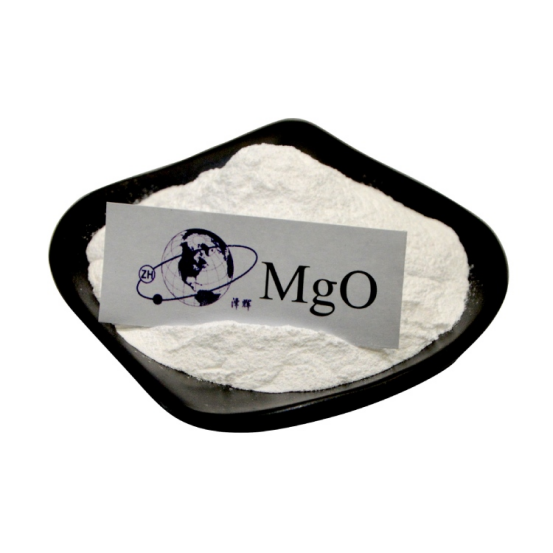
What’s the Difference Between Magnesium and Magnesium Oxide?
They sound similar, but they’re not the same substance.
Magnesium (มก.) คือ pure element — a silvery-white metal found in nature and in your body.
แมกนีเซียมออกไซด์ (MGO) คือ compound — magnesium combined with oxygen.
ดังนั้น, magnesium is the building block. Magnesium oxide is what you get when magnesium reacts with oxygen (think: burning magnesium ribbon in a school lab).
A Quick Example
When I first started taking magnesium supplements, I grabbed a bottle labeled “Magnesium Oxide.” Later, I learned I wasn’t actually getting much magnesium at all. The label said 400 mg MgO, but my body absorbed only a small fraction of that as ธาตุแมกนีเซียม.
That was my “aha” moment — and why this distinction matters.
What Is Magnesium Used For?
Pure magnesium metal isn’t something you’ll swallow or find in supplements. มันถูกใช้ใน:
Alloys (mixed metals) for cars and airplanes
Electronics และ construction materials
Fireworks (burns bright white!)
Your body, อย่างไรก็ตาม, needs magnesium ions (มก.²⁺) — not the metal itself.
These ions help with:
Energy production (ATP)
Muscle and nerve function
Bone health
Heart rhythm regulation
แมกนีเซียมออกไซด์ใช้สำหรับอะไร?
แมกนีเซียมออกไซด์ (MGO) shows up in both industrial and health settings.
Industrial Uses
Cement and ceramics
Heat-resistant materials (refractories)
Desulfurization in steel production
สุขภาพ & Nutrition Uses
ยาแก้ท้องเฟ้อ (ทำให้กรดในกระเพาะอาหารเป็นกลาง)
ยาระบาย (helps relieve constipation)
Magnesium supplement, but with low bioavailability — meaning your body absorbs less than from other forms like magnesium citrate หรือ magnesium glycinate.
So yes, magnesium oxide provides magnesium — but not very efficiently.
Magnesium vs. Magnesium Oxide in Supplements
Here’s a quick comparison:
| คุณสมบัติ | Magnesium (Metal) | แมกนีเซียมออกไซด์ (สารประกอบ) |
| พิมพ์ | Element | สารประกอบ (มก. + O) |
| ความสามารถในการละลาย | Reacts with water slowly | Low solubility in water |
| Bioavailability | Not used in supplements | ต่ำ (about 4%) |
| Common Uses | ทางอุตสาหกรรม | ยาลดกรด, อาหารเสริม |
| Elemental Mg Content | 100% | ~60% Mg by weight, but poorly absorbed |
ประเด็นสำคัญ: Magnesium oxide is rich in magnesium content but poor in absorption. If you need better absorption, forms like magnesium citrate หรือ magnesium glycinate are better options.
Why the Confusion Happens
A lot of supplement labels simply say “magnesium,” even when the product is actually แมกนีเซียมออกไซด์, แมกนีเซียมคาร์บอเนต, or another compound.
When you see “400 mg magnesium oxide,” that doesn’t mean you get 400 mg of magnesium. It means 400 mg of the compound, which contains around 240 mg elemental magnesium — and your body only absorbs a small portion.
That’s where marketing can get confusing.
The Science Behind It (Short Version)
When magnesium oxide hits your stomach, it reacts with water and acid to form แมกนีเซียมไฮดรอกไซด์ (มก.(โอ้)₂) — the active ingredient in some antacids like Milk of Magnesia.
This compound releases magnesium ions, but not all of it dissolves. นั่นเป็นเหตุผลว่าทำไม bioavailability (how much your body absorbs) is low compared to other magnesium salts.
If you’re comparing supplement forms, here’s a quick cheat sheet:
| Form | Absorption | การใช้งานทั่วไป |
| แมกนีเซียมออกไซด์ | ต่ำ | ยาระบาย, ยาลดกรด |
| Magnesium Citrate | Moderate-High | Supplements |
| Magnesium Glycinate | High | Supplements (gentle on stomach) |
| แมกนีเซียมคาร์บอเนต | Medium | ยาลดกรด, อาหารเสริม |
Is Magnesium Oxide Safe?
โดยทั่วไป, ใช่ — เมื่อดำเนินการตามคำแนะนำ. But too much can cause diarrhea or stomach upset because of its laxative effect.
If you’re taking it as a supplement:
Stick to recommended daily amounts (men: ~400 mg, women: ~310 mg magnesium).
Avoid self-medicating high doses unless advised by a doctor.
Check interactions with medications (เช่น, antibiotics or thyroid meds).
When to Choose Other Magnesium Forms
If your goal is to raise magnesium levels, go with:
Magnesium citrate (good balance of absorption and cost)
Magnesium glycinate (gentle and highly bioavailable)
Magnesium malate (for energy metabolism support)
Reserve แมกนีเซียมออกไซด์ mainly for:
Occasional heartburn
Short-term constipation relief
Quick Story: The “Sleep Experiment”
A friend once told me she started magnesium oxide for better sleep. After two weeks, no change — just a grumpy stomach.
We switched her to magnesium glycinate. Within days, she said, “I don’t know if it’s placebo, but I feel calmer at night.”
Not placebo — just better absorption.
FAQs About Magnesium vs. แมกนีเซียมออกไซด์
- Is magnesium oxide the same as magnesium?เลขที่. Magnesium is the pure element; magnesium oxide is a compound made from magnesium and oxygen.
- Which is better for supplements?Magnesium oxide isn’t absorbed as well. Magnesium citrate or glycinate are better for boosting magnesium levels.
- Can magnesium oxide cause side effects?ใช่, high doses may cause diarrhea or stomach cramps.
- Is magnesium oxide natural?ใช่, it can occur naturally as the mineral periclase or be made from heating magnesium carbonate or hydroxide.
- Does magnesium oxide help with sleep?Indirectly — it supplies magnesium, which supports sleep and relaxation, but because it’s poorly absorbed, other forms may work better.
บรรทัดล่าง
Magnesium and magnesium oxide are not the same. Magnesium is the element; magnesium oxide is its compound with oxygen. While MgO provides magnesium, it’s not absorbed efficiently, making it better suited for antacid or laxative uses than for supplementation.
If your goal is to increase magnesium levels, look for more absorbable forms.
ในระยะสั้น:
Magnesium and magnesium oxide aren’t the same — and knowing the difference helps you make smarter supplement choices.