 Magnesio ossido_magnesio idrossido_magnesio produttore di carbonato-zehui gruppo

Ossido di magnesio (MgO), con la sua eccellente stabilità chimica, Resistenza ad alta temperatura, e proprietà di isolamento elettrico, serves as a key functional additive in various electrical insulating products. Its main roles are as follows:
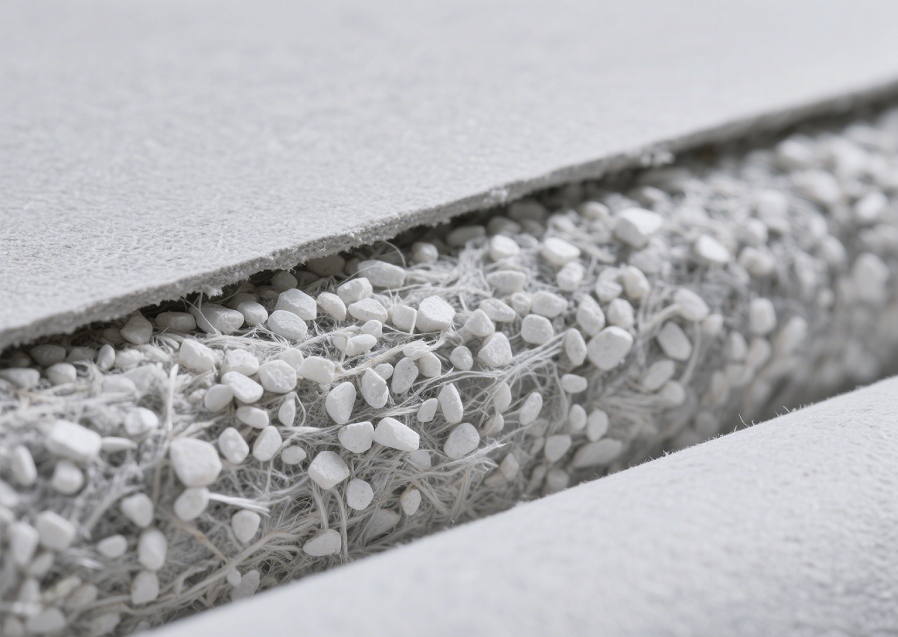
Il ruolo dell'ossido di magnesio nei materiali isolanti
1. Enhancing the Electrical Insulation Performance of Materials
- Blocking Current Conduction: Magnesium oxide itself has an extremely high volume resistivity (usually above 10¹⁴Ω·cm). When added to insulating materials (such as insulating paints, insulating papers, and cable insulation layers), it can effectively block current leakage or breakdown, enhance the dielectric strength (voltage breakdown resistance) of the material, and ensure the safe operation of electrical equipment in high-voltage environments.
- Suppressing Partial Discharge: In high-voltage insulating materials, magnesium oxide can be uniformly dispersed in the matrix, reducing defects such as bubbles and impurities inside the material, e alleviare il fenomeno della concentrazione del campo elettrico locale. Ciò sopprime l'erosione dei materiali isolanti dovuta a scariche parziali e prolunga la durata dell'isolamento.
2. Miglioramento della resistenza alle alte temperature e della stabilità termica
- Funzione portante ad alta temperatura: L'ossido di magnesio ha un punto di fusione fino a 2800°C e non è facile da decomporre o deteriorare alle alte temperature, rendendolo un additivo ideale per materiali isolanti ad alta temperatura. Per esempio, nei cavi isolati resistenti al fuoco, l'ossido di magnesio viene spesso utilizzato come riempitivo isolante inorganico per avvolgere i conduttori e formare uno strato isolante resistente alle alte temperature. Ciò consente al cavo di mantenere le prestazioni di isolamento in ambienti ad alta temperatura superiore a 600°C, rendendolo adatto a condizioni di lavoro estreme come la metallurgia e l'aerospaziale.
- Heat Conduction Regulation: Magnesium oxide has a certain degree of thermal conductivity. In insulating materials, it can help dissipate heat, avoiding aging of insulating materials caused by excessive local temperature during equipment operation (such as softening and decomposition of rubber or plastic insulation layers due to overheating), and balancing insulation and heat dissipation.
3. Improving Mechanical and Chemical Stability
- Enhancing Mechanical Strength: In insulating composite materials (such as glass fiber-reinforced insulating boards and molded insulating products), magnesium oxide can be used as a filler to combine with the matrix (resin, gomma, ecc.), improving the hardness, resistenza alla trazione, and wear resistance of the material, and reducing damage to the insulation layer caused by mechanical stress.
- Corrosion Resistance and Moisture Resistance: Magnesium oxide is alkaline, which can neutralize acidic degradation products that may be generated during the use of insulating materials (such as organic acids released by polymer aging). Allo stesso tempo, its dense structure can inhibit the penetration of water and moisture, protecting the insulating material from environmental corrosion. It is especially suitable for insulating products in humid or corrosive environments (such as underground cables and insulation layers of chemical equipment).
4. Adapting to Functional Requirements of Specific Insulation Scenarios
- High-Frequency Insulating Materials: In insulating materials for high-frequency motors and transformers, the low dielectric loss characteristic of magnesium oxide can reduce the conversion loss of electromagnetic energy, ensuring the efficiency and stability of equipment under high-frequency working conditions.
- Flexible Insulating Products: In flexible materials such as insulating rubber and insulating tape, magnesium oxide can adjust the vulcanization performance of the material (such as acting as a vulcanization activator), improving its aging resistance and insulation durability without affecting flexibility.
- Inorganic Insulating Coatings: Magnesium oxide can be compounded with other inorganic materials (such as aluminum oxide and silicon dioxide) to form ceramic insulating coatings, which are used on the surface of electrical components and have the functions of insulation, resistenza al fuoco, e resistenza all'usura.
Riepilogo
By enhancing electrical insulation, Resistenza ad alta temperatura, mechanical properties, and chemical stability, magnesium oxide in insulating materials meets the diverse needs of different electrical equipment for insulating materials. Svolge un ruolo insostituibile soprattutto nella protezione dell'isolamento ad alta temperatura, alta tensione, e ambienti difficili, rendendolo un materiale funzionale importante nel campo dell'isolamento elettrico.