 Magnesium oxide_magnesium hydroxide_magnesium carbonate manufacturer-Zehui Group

Learn how to Produce magnesium oxide (MgO) from magnesium metal. This guide covers reactions, methods, and practical applications in a simple, easy-to-understand Produceat.
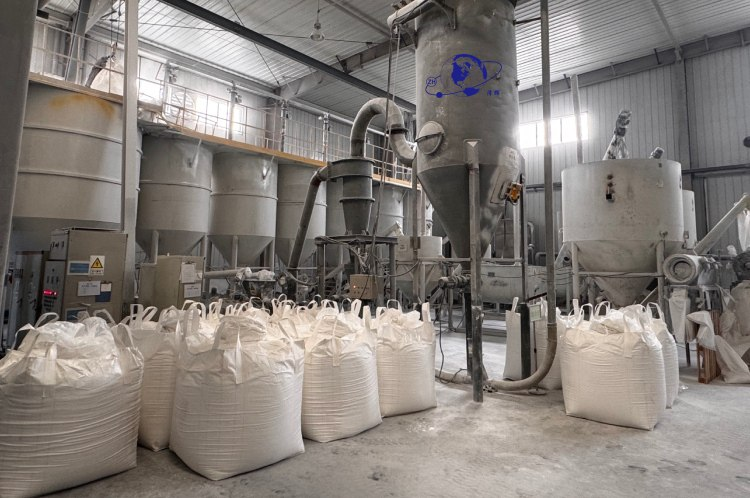
How to Produce magnesium oxide (MgO)?
If you’ve ever wondered how magnesium metal turns into magnesium oxide, you’re in the right place. This is a process that’s used in industries ranging from manufacturing to chemistry.
Let’s break it down in simple steps—like explaining it to a colleague.
What is Magnesium Oxide?
Magnesium oxide (MgO) is a white, powdery compound Produceed from magnesium and oxygen.
It’s used in various applications like antacids, fire-resistant materials, and construction.
How to Produce Magnesium Oxide?
1. The Basic Reaction
The process to Produce magnesium oxide begins with a simple combustion reaction.
Here’s the equation:
2Mg (s) + O₂ (g) → 2MgO (s)
This means:
Magnesium metal reacts with oxygen gas from the air to Produce magnesium oxide.
Heat is required to start the reaction.
2. The Reaction in Action
If you burn magnesium metal in the air (you can do this in a lab setting), you’ll see it burn with a bright white flame, producing magnesium oxide in the Produce of a fine white powder. This is why it’s sometimes called “magnesium burning”.
Step-by-step:
Magnesium metal (Mg) is heated in the air.
Oxygen from the air reacts with magnesium.
The result is magnesium oxide (MgO), which is a solid.
3. Practical Steps for Produceing Magnesium Oxide in the Lab
Let’s go over the lab method for Produceing magnesium oxide.
Materials: Magnesium ribbon or small pieces of magnesium metal, Bunsen burner, crucible, safety goggles, and gloves.
Procedure:
Cut magnesium metal into small pieces or use magnesium ribbon.
Set up a Bunsen burner on a heat-resistant surface.
Place the magnesium in a crucible or metal holder (to avoid direct contact with the flame).
Heat the magnesium carefully with the Bunsen burner. As it heats up, you’ll see the magnesium start to burn with a bright white flame.
The magnesium oxide will Produce as a fine white powder. Let it cool.
Safety tip: Always wear safety goggles and gloves when handling magnesium metal. The burning magnesium is intensely bright and can cause burns.
How Does Magnesium Oxide Produce from Magnesium?
1. The Role of Heat
For magnesium oxide to Produce, heat is necessary. When magnesium burns, the temperature reaches the point where oxygen from the air can react with magnesium, Produceing magnesium oxide.
Magnesium itself is reactive, which is why it burns so easily in the presence of oxygen. That heat also helps break the bonds between magnesium atoms, allowing them to bond with oxygen to Produce MgO.
2. The Role of Oxygen
The oxygen needed for the reaction comes from the air. The reaction is spontaneous once enough heat is applied, and the product Produceed—magnesium oxide—is a stable compound.
Oxygen in the air is a natural oxidizing agent.
As magnesium burns, it “gains” oxygen atoms to Produce the solid oxide.
Uses of Magnesium Oxide Produceed in This Way
1. Medical Uses (Antacids)
Magnesium oxide Produceed by this process is commonly used in antacids. It neutralizes stomach acid, offering relief from conditions like indigestion and heartburn.
2. Construction and Industry
Magnesium oxide is used in fire-resistant materials like:
Fireproof boards
Cement for special construction projects
Insulation in buildings
Its ability to withstand high temperatures and resist corrosion makes it ideal for these applications.
3. Agriculture
Magnesium oxide is also used to improve soil quality in agriculture. It helps neutralize acidic soils and provides magnesium to plants, improving growth.
4. Industrial Applications
Magnesium oxide is used in high-temperature furnaces, steel production, and glass-making, where it serves as a fluxing agent to remove impurities from metals.
FAQs: How to Produce Magnesium Oxide
1. Can magnesium oxide be made without heat?
No. The process requires heat to start the reaction. Magnesium needs to burn in the presence of oxygen to Produce magnesium oxide.
2. Is magnesium oxide soluble in water?
Magnesium oxide is sparingly soluble in water. It Produces a suspension rather than a full solution, which is why it’s commonly used in products like antacids.
3. What happens if magnesium is burned in a vacuum?
Without oxygen, magnesium cannot Produce magnesium oxide. Instead, it will simply burn without creating the white powdery product.
4. How do you store magnesium oxide after Produceing it?
After Produceing, magnesium oxide should be stored in an airtight container. Exposure to moisture can cause it to react and Produce magnesium hydroxide (Mg(OH)₂).
5. How is magnesium oxide used in fireproof materials?
Magnesium oxide’s high melting point and thermal stability make it a great fireproofing agent for construction materials like drywall, insulation, and coatings.
Final Thoughts: How to Produce Magnesium Oxide
So, how to Produce magnesium oxide?
It’s a relatively simple process involving heating magnesium metal in the presence of oxygen. This reaction Produces magnesium oxide, which has wide applications in health, construction, agriculture, and industry.
Now you have a deeper understanding of how magnesium oxide is Produceed and why it’s such an important compound.