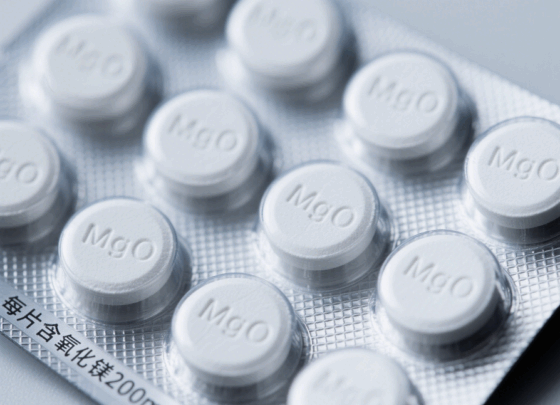
 Magnesio óxide_magnesio Hydroxide_magnesium Carbonato Fabricante-Zehui Group

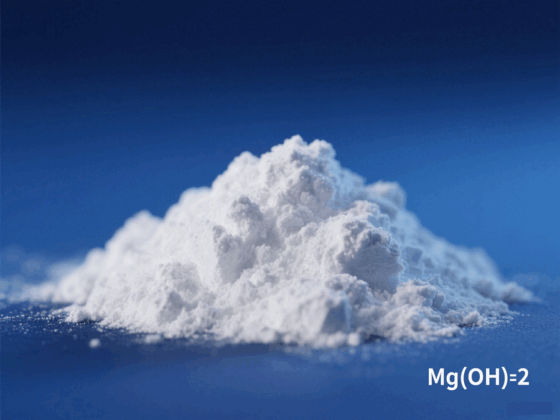
Hidróxido de magnesio (Mg(OH)₂) Es un importante retardante de llama inorgánico.. Con su retardante de llama, supresor de humo, no tóxico, y propiedades respetuosas con el medio ambiente, Es ampliamente utilizado en productos retardantes de llama en diversos campos.. Su mecanismo ignífugo consiste principalmente en descomponerse en óxido de magnesio y agua a altas temperaturas.. El agua liberada puede enfriar el sustrato., Oxígeno diluido y gases combustibles., y al mismo tiempo, El producto de descomposición, el óxido de magnesio, forma una capa protectora para aislar el calor y el oxígeno., logrando así el efecto retardante de llama. Las siguientes son las principales categorías de productos en las que se aplica en la industria retardante de llama.:
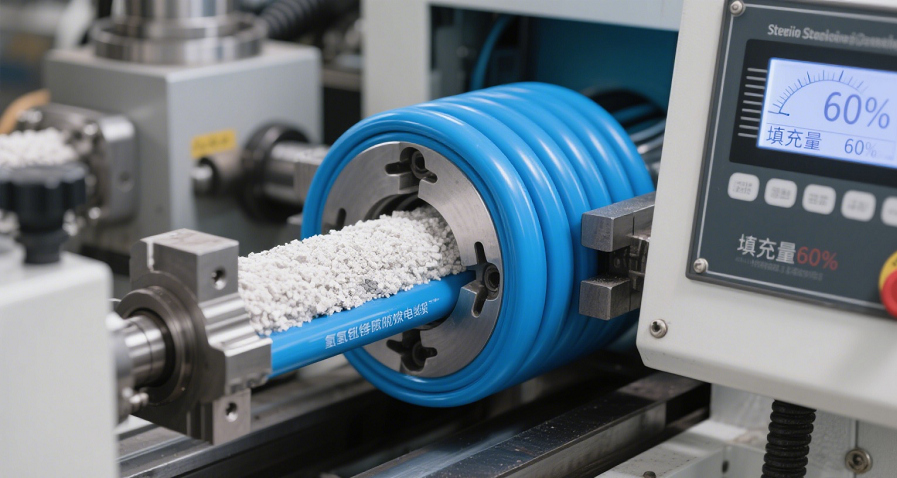
Productos de hidróxido de magnesio en la industria retardante de llama
I. Productos de plástico retardantes de llama
Los plásticos son inflamables., e hidróxido de magnesio, como retardante de llama verde, es una opción importante para la modificación retardante de llama de plásticos, adecuado para diversas variedades de plástico:
- Productos de poliolefina: Como el polietileno (Orina) tubería, películas, materiales de cables, polipropileno (PÁGINAS) hojas, piezas moldeadas por inyección, etc.. En estos productos, El hidróxido de magnesio puede sustituir a los retardantes de llama halogenados tradicionales., Reducir la liberación de gases tóxicos durante la combustión.. A menudo se utiliza en escenarios con altos requisitos de protección ambiental y retardante de llama., como tuberías de suministro de agua de PE para la construcción y armarios eléctricos de PP.
- Productos plásticos de ingeniería.: Incluyendo productos hechos de resina ABS., poliamida (Pensilvania, nylon), policarbonato (ordenador personal), etc.. Por ejemplo, El plástico ABS se usa ampliamente en gabinetes electrónicos y eléctricos.. Agregar hidróxido de magnesio puede mejorar su grado de retardante de llama para cumplir con los estándares de seguridad de los equipos electrónicos.; Los productos de nailon se utilizan ampliamente en piezas de automóviles y accesorios mecánicos., y la adición de hidróxido de magnesio puede mejorar su resistencia a las llamas..
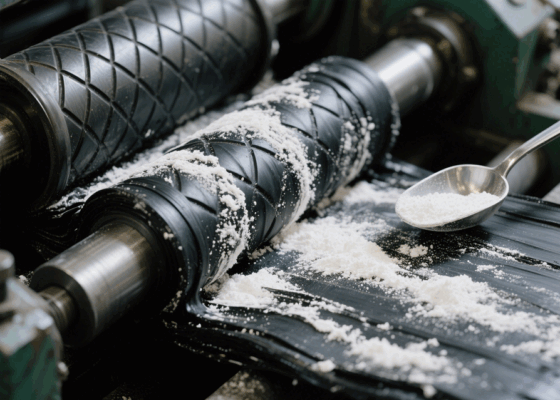
- Productos de caucho: Como fundas de cables, anillos de sellado, cintas transportadoras, etc.. El caucho en sí es inflamable., y la adición de hidróxido de magnesio puede retrasar eficazmente su velocidad de combustión y reducir la generación de humo durante la combustión.. Es especialmente adecuado para campos con requisitos estrictos de retardo de llama y bajo nivel de humo., como cintas transportadoras de caucho y cables para minas.
II. Productos de cables y alambres retardantes de llama
Los alambres y cables pueden provocar incendios debido al sobrecalentamiento durante la energización., y el hidróxido de magnesio es un material clave para su tratamiento ignífugo:
- Materiales de cables ignífugos: Agregar hidróxido de magnesio a la capa de aislamiento y a los materiales de revestimiento de los cables puede producir materiales para cables retardantes de llama, libres de halógenos y con bajo nivel de humo.. Estos materiales de cable no liberan gases halógenos tóxicos cuando se queman y tienen una baja concentración de humo., que son adecuados para lugares densamente poblados o lugares con requisitos ambientales extremadamente altos, como edificios de gran altura, metro, y centrales nucleares.
- Cables resistentes al fuego: El hidróxido de magnesio se utiliza en la capa de relleno o material de envoltura de algunos cables resistentes al fuego., cual, junto con otros materiales resistentes al fuego, Puede aumentar el tiempo de resistencia al fuego de los cables en caso de incendio y garantizar el funcionamiento normal a corto plazo de los circuitos clave..
III. Recubrimientos y productos de revestimiento retardantes de llama
La retardación de llama de los recubrimientos es crucial para la protección contra incendios de sustratos. La aplicación del hidróxido de magnesio en este campo incluye principalmente:
- Recubrimientos ignífugos: Agregar hidróxido de magnesio a recubrimientos a base de agua o aceite para fabricar recubrimientos ignífugos para estructuras de acero, revestimientos ignífugos para madera, etc.. Por ejemplo, Se aplican revestimientos ignífugos de estructuras de acero a la superficie de las estructuras de acero de la construcción.. En caso de incendio, El hidróxido de magnesio se descompone para absorber calor y formar una capa carbonizada., Retrasar la velocidad de calentamiento de la estructura de acero y prolongar su tiempo de carga.; Los revestimientos ignífugos para madera pueden reducir la inflamabilidad de la madera y se utilizan para muebles., pisos de madera, componentes de construcción de madera, etc..
- Recubrimientos de tela: Adición de hidróxido de magnesio al tratamiento de revestimiento de tejidos como cortinas., alfombras, y las tiendas de campaña pueden mejorar el rendimiento retardante de llama de las telas, haciéndolos cumplir con los estándares de seguridad contra incendios correspondientes y reduciendo los riesgos de incendio.
IV. Materiales de construcción ignífugos y productos de aislamiento térmico
Los materiales de construcción son las áreas clave para la prevención y el control de incendios, Y el hidróxido de magnesio se usa ampliamente en el retardo de llama de materiales de construcción.:
- Materiales de aislamiento térmico: Como por ejemplo espuma de poliestireno (EPS), espuma de poliuretano (PU) y otros materiales de aislamiento térmico, que son inflamables y liberan gases tóxicos cuando se queman. Después de agregar hidróxido de magnesio, Se pueden preparar materiales aislantes térmicos ignífugos., que se utilizan en escenarios tales como aislamiento de paredes exteriores de edificios y aislamiento de almacenamiento en frío para reducir los riesgos de incendio..
- Paneles resistentes al fuego: En la producción de paneles resistentes al fuego como placas de yeso y placas de fibrocemento., El hidróxido de magnesio se puede utilizar como aditivo retardante de llama para mejorar el límite de resistencia al fuego de los paneles., haciéndolos adecuados para piezas de construcción como muros cortafuegos y tabiques cortafuegos..
- Materiales de sellado resistentes al fuego: Agregar hidróxido de magnesio a selladores resistentes al fuego, Los materiales de obturación resistentes al fuego y otros productos pueden mejorar su rendimiento retardante de llama., que se utilizan para sellar tuberías de construcción, Orificios de penetración de cables y otras piezas para evitar la propagación del fuego y el humo..
V. Otros productos retardantes de llama
- Papel ignífugo: Adición de hidróxido de magnesio en la producción de papel de embalaje., El papel tapiz y otros papeles pueden mejorar la resistencia al fuego del papel., que se utiliza para envasar artículos inflamables o decoración de interiores.
- Adhesivos ignífugos: Adhesivos utilizados para unir componentes electrónicos., materiales de construcción, etc., puede tener propiedades retardantes de llama después de agregar hidróxido de magnesio, evitando que las piezas de unión se conviertan en riesgos de incendio.
Resumen
Como retardante de llama ecológico, El hidróxido de magnesio juega un papel importante en productos retardantes de llama en diversos campos, como el plástico., alambres y cables, revestimiento, y materiales de construcción debido a su excelente rendimiento retardante de llama y seguridad.. Con los crecientes requisitos de protección del medio ambiente, El rango de aplicación del hidróxido de magnesio en la industria retardante de llama seguirá expandiéndose., promover la aparición de más productos retardantes de llama de baja toxicidad y alta eficiencia.